The short answer
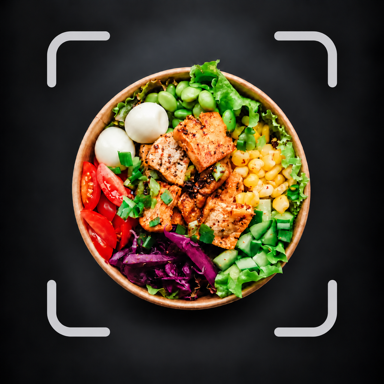
Meal prep simply means preparing some food ahead of time so that good meals are easy to put together during the week. For beginners, the easiest approach is to cook a few building blocks, such as a protein, a grain and some roasted vegetables, and mix them into different meals, rather than cooking five identical boxed lunches. Start with two or three days of lunches, store food safely, and build from there.
Why meal prep helps
- Fewer last-minute choices. When you are hungry and tired, having something ready makes it easier to eat what you planned.
- Saves time and money. Cooking in batches uses less time per meal and often cuts down on takeaways.
- Easier tracking. If you know what is in a batch, logging the same meal again is quick, and the portions stay consistent.
Step 1: Start small
You do not need to prepare every meal for the week. A good first goal is three lunches, or breakfasts for the working week. Once that feels easy, add more.
Step 2: Plan a few building blocks
Pick one or two items from each group and cook them in a batch:
- Protein: chicken breast or thighs, minced turkey or beef, baked tofu, boiled eggs, a pot of lentils or beans.
- Carbohydrate: rice, quinoa, wholemeal pasta, roasted potatoes or sweet potatoes, wholegrain wraps.
- Vegetables: a tray of roasted vegetables, steamed broccoli or green beans, a big bag of washed salad, chopped raw vegetables.
- Flavour: a simple dressing, salsa, yoghurt sauce, pesto or a jar of curry paste.
With these in the fridge, you can make a grain bowl one day, a wrap the next and a quick stir-fry after that, all from the same ingredients.
Step 3: Cook efficiently
A typical beginner session might take around 90 minutes:
- Start the grain or potatoes first, as they take longest.
- Put a tray of vegetables and a tray of protein in the oven at the same time.
- While those cook, boil eggs, chop salad vegetables and mix a dressing.
- Cool everything quickly, then portion into containers.
Step 4: Store food safely
Food safety is the most important part of meal prep. General guidance from food safety agencies includes:
| Food | Fridge (at 5°C or below) | Freezer |
|---|---|---|
| Cooked meat and poultry | Up to 2–4 days | 2–3 months for best quality |
| Cooked rice | Eat within 24 hours | Up to 1 month |
| Cooked pasta and grains | Up to 2–4 days | 1–2 months |
| Soups, stews and curries | Up to 2–4 days | 2–3 months |
| Hard-boiled eggs (in shell) | Up to 1 week | Not recommended |
| Chopped raw vegetables | 3–5 days | Varies by vegetable |
- Cool cooked food quickly and put it in the fridge within about 1 to 2 hours. Spreading food out in shallow containers helps it cool faster.
- Rice needs extra care: cool it quickly, refrigerate promptly and eat it within a day, as public health guidance warns that bacteria in rice can produce toxins if it is left warm.
- Reheat food until it is steaming hot all the way through, and only reheat it once.
- If you prepare food for more than three days, freeze some portions and move them to the fridge to defrost the night before.
- Label containers with the date so you know what to eat first.
Step 5: Keep it from getting boring
Eating the same meal five days in a row is the main reason people give up on meal prep. Some ways to keep it interesting:
- Use the same base with different sauces: pesto one day, a yoghurt and herb dressing the next, salsa after that.
- Prep ingredients rather than complete meals, and assemble each day.
- Rotate two or three different recipes each week.
- Add something fresh on the day, such as salad leaves, herbs, avocado or fruit.
Containers and kit
A set of reusable containers in a few sizes, a couple of large baking trays and a big pot are enough to start. Containers with separate compartments help keep sauces and crunchy foods apart. Glass containers are easy to reheat in, while lighter plastic ones are easier to carry.
Meal prep and your goals
Meal prep makes it easier to eat balanced meals and keep portions consistent. If you are focused on protein, cooking a batch of chicken or tofu at the start of the week helps a lot; our guide to protein in chicken breast has the numbers. If you are working toward weight loss without detailed tracking, prepared meals make it easier to follow the habits in our guide to losing weight without counting everything.
Frequently asked questions
How long does meal prep last in the fridge?
Most cooked meals keep for a few days in a fridge at 5°C or below. The UK Food Standards Agency suggests eating leftovers within 2 days, and USDA guidance says 3 to 4 days. Cooked rice should be eaten within 24 hours. Freeze anything you will not eat in time.
What is the easiest meal to prep for beginners?
A simple grain bowl is a good start: a batch of rice or quinoa, a tray of roasted vegetables, a cooked protein such as chicken or tofu, and a dressing. You can combine them differently each day.
Is it safe to reheat meal prep?
Yes, if it was cooled and stored properly. Reheat until steaming hot all the way through, and only reheat food once.