The short answer
Weight loss comes down to eating a little less energy than you use over time, but you do not have to count every calorie to get there. Building meals around vegetables and protein, choosing fibre-rich carbohydrates, cutting back on sugary drinks and alcohol, keeping an eye on portions of energy-dense foods, and checking your progress once a week are practical habits that help many people lose weight gradually and keep it off.
Slow, steady change is the aim. Public health bodies such as the NHS generally describe losing around 0.5 to 1 kilogram a week as a safe rate for most adults. Crash diets and extreme restriction are hard to sustain and can leave you tired, hungry and short on nutrients.
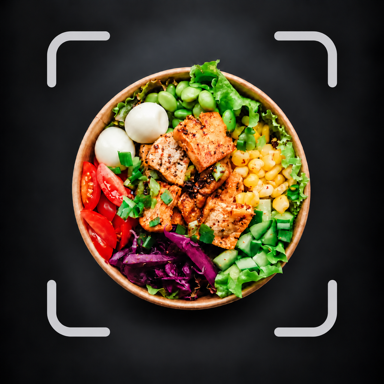
1. Use a simple plate guide
A balanced plate does much of the work for you. A common approach is:
- Half the plate: vegetables or salad.
- A quarter: a protein food such as chicken, fish, eggs, tofu, beans or lentils.
- A quarter: a starchy carbohydrate, ideally wholegrain, such as brown rice, wholemeal pasta, potatoes with skins or wholegrain bread.
- A little: healthy fat such as olive oil, nuts, seeds or avocado.
This naturally adds volume and fibre while keeping energy-dense foods in proportion.
2. Include protein at each meal
Protein is linked to feeling full after eating and helps preserve muscle when you lose weight. Including a protein food at breakfast, lunch and dinner makes it easier to avoid getting very hungry between meals. Our guide to how much protein you need gives typical ranges.
3. Make fibre and volume your friends
Vegetables, fruit, salads, soups, beans and whole grains give you a lot of food for relatively few calories. Starting a meal with a salad or a bowl of vegetable soup is a simple way to take the edge off hunger. Swapping some of the pasta or rice on your plate for extra vegetables keeps the portion size generous while reducing energy.
4. Watch liquid calories
Drinks are one of the easiest places to cut back because they add energy without much fullness. Sugary soft drinks, fruit juices, large milky coffees with syrups, and alcohol can add several hundred calories a day without you noticing. Water, sparkling water, tea and black coffee have little or no energy. Cutting down rather than cutting out entirely is fine.
5. Be mindful with energy-dense foods
Foods like oils, butter, cheese, nuts, crisps, pastries and chocolate are not "bad", but small amounts carry a lot of energy. A few simple habits help:
- Measure cooking oil with a spoon rather than pouring from the bottle.
- Serve snacks into a bowl instead of eating from the packet.
- Choose a smaller plate or bowl for foods that are easy to overeat.
- Keep treats for when you will really enjoy them, rather than out of habit.
6. Plan, so you are not relying on willpower
Many unplanned choices happen when you are hungry and tired with nothing ready. Having a few go-to meals, a stocked fridge and some prepared food makes the easier choice the default. See our guide to meal prep for beginners for a simple way to start, and our list of low-calorie snacks for ideas to keep on hand.
7. Eat slowly and notice fullness
It takes a little time to register fullness. Eating more slowly, putting your fork down between bites and eating without screens can help you notice when you have had enough. Stopping when you are comfortably satisfied, rather than very full, is a habit that builds over time.
8. Look after sleep, stress and movement
Poor sleep and high stress are linked to more hunger and cravings for many people. Regular movement, including walking, supports heart health and mood as well as energy use, and strength training helps maintain muscle. You do not need a punishing routine; consistency matters more than intensity.
9. Check in weekly, not daily
Without detailed tracking, a weekly check-in tells you whether your habits are working. Some useful options:
- Weigh yourself a few times a week and look at the weekly average.
- Notice how your clothes fit.
- Snap a photo of meals for a few days now and then to see patterns without counting every bite.
If nothing has changed for three or four weeks, try one more habit or briefly track your intake to find where the extra energy is coming from. Our guide to the calorie deficit explains why progress is rarely a straight line.
When to get support
If you have a medical condition, take medication, are pregnant or breastfeeding, or have a history of disordered eating, speak to a doctor or registered dietitian before trying to lose weight. They can help you find an approach that is safe for you.
Frequently asked questions
Can you lose weight without counting calories?
Yes. Many people lose weight by changing habits, such as building balanced plates, eating more vegetables and protein, and cutting down on sugary drinks, without logging every calorie. Checking progress weekly shows whether it is working.
How fast is it safe to lose weight?
Public health bodies such as the NHS generally suggest around 0.5 to 1 kilogram a week as a safe, sustainable rate for most adults. Faster loss usually requires very restrictive diets that are hard to keep up.
What is the easiest change to make first?
For many people, cutting down on sugary drinks and alcohol, or adding vegetables to every meal, is the simplest first step because it reduces energy without making meals smaller.