The short answer
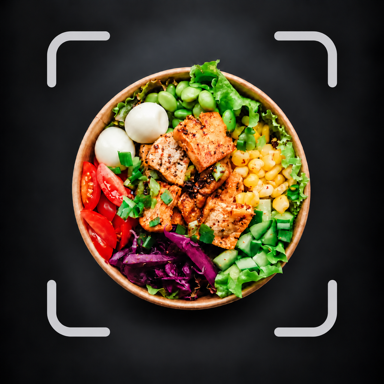
A typical takeaway poke bowl is often somewhere between about 500 and 900 calories, and a lighter build can come in nearer 400. That is a wide range, but it makes sense: a bowl of salad leaves with lean tuna and a splash of ponzu is a very different meal from a large bowl of sushi rice with salmon, avocado, crispy onions and two spoonfuls of spicy mayo. Both can be satisfying, nutritious lunches. The trick is to estimate each layer separately and add them up.
Layer by layer
The base
The base is usually the largest single source of calories. Sushi rice is seasoned with vinegar, sugar and salt, so it is slightly higher in calories than plain white rice. Brown rice is similar in calories to white but brings more fibre. Many places offer half-rice, half-greens, or a salad or courgette noodle base for a lighter bowl. A standard bowl often contains one to one and a half cups of rice.
The protein
Raw tuna is lean and high in protein. Salmon has more fat, mostly the omega-3 kind, so it carries more calories for the same weight. Tofu, prawns and chicken are common alternatives. A typical serving is around 100 grams, though "double protein" options are increasingly common.
Toppings
Vegetable toppings like cucumber, radish, carrot, red cabbage and spring onions add colour and crunch for very few calories. Edamame adds plant protein and fibre. Avocado, seaweed salad, mango and crunchy toppings such as fried onions or tempura bits add more energy.
Sauces
Sauces are where estimates most often go wrong. Soy-based sauces and ponzu are low in calories but high in sodium. Creamy sauces such as spicy mayo or wasabi mayo are mostly oil, so a tablespoon or two adds up quickly. A drizzle of sesame oil adds about 40 calories per teaspoon.
| Component | Typical portion | Approx. calories |
|---|---|---|
| Sushi rice | 1 cup cooked | 240–280 |
| Brown rice | 1 cup cooked | 215–250 |
| Mixed greens | 1 large handful | 10–20 |
| Raw tuna | 100 g | 110–130 |
| Raw salmon | 100 g | 190–210 |
| Firm tofu | 100 g | 80–150 |
| Avocado | ¼ medium | 55–65 |
| Edamame, shelled | ½ cup | 90–100 |
| Seaweed salad | ½ cup | 70–100 |
| Spicy mayo | 1 tablespoon | 90–100 |
| Soy sauce or ponzu | 1 tablespoon | 10–15 |
| Sesame oil | 1 teaspoon | about 40 |
| Crispy fried onions | 1 tablespoon | 30–45 |
Example bowls
- Lighter bowl: half rice and half greens, 100 g tuna, cucumber, edamame, ponzu. Roughly 400 to 450 calories, with plenty of protein.
- Classic bowl: one cup of sushi rice, 100 g salmon, a quarter avocado, cucumber, edamame, one tablespoon of spicy mayo. Roughly 650 to 750 calories.
- Loaded bowl: one and a half cups of rice, 150 g salmon, half an avocado, seaweed salad, crispy onions and two tablespoons of creamy sauce. Easily 1,000 calories or more.
Nutrition beyond calories
Poke bowls have a lot going for them. They are usually high in protein, and oily fish such as salmon is a source of omega-3 fats, which public health bodies like the NHS encourage people to include regularly. Vegetables and edamame add fibre. The main thing to watch for many people is sodium, because soy sauce, seaweed salad and pickled toppings can add a lot. If you are watching your salt intake, ask for sauce on the side or choose a lower-sodium soy sauce.
If you are pregnant or have a weakened immune system, check current advice from your doctor or national health service about eating raw fish.
Simple swaps
- Ask for sauce on the side and add it yourself; you will often use less.
- Go half rice, half greens if you want a lighter bowl but still like the rice.
- Add edamame or extra fish rather than extra crunchy toppings if you want it more filling.
- Choose one creamy element (avocado or a mayo-based sauce) rather than both, if you are watching calories.
Estimating a takeaway bowl
Takeaway bowls are often deeper than they look in a top-down photo. If you can, take your photo at a slight angle so the depth of rice is visible, and include the sauce pot if it came separately. Our guide to estimating portions has practical comparisons for rice, fish and sauces.
Frequently asked questions
Is a poke bowl a healthy lunch?
It can be a nutritious choice. Poke bowls are often high in protein and include vegetables, and salmon provides omega-3 fats. Calories and sodium can climb with large rice portions, creamy sauces and salty toppings.
What is the lowest calorie poke bowl base?
Leafy greens or vegetable noodles are the lightest bases. A half rice, half greens base is a popular middle ground.
How many calories are in spicy mayo?
Spicy mayo is mostly oil-based mayonnaise, so it is typically around 90 to 100 calories per tablespoon. Exact values depend on the recipe.